© Fiocco Tourist
Cultural Tourism
Cultural tourism in Calabria has much to offer, not only for the well-known attractions familiar to most, such as the Riace Bronzes famous worldwide, but also for its more hidden treasures, like the Mausoleum dedicated to G. Garibaldi in Aspromonte, as well as the intermediate stops that reflect the history, art, and culture of Calabria. From the evocative setting of the Cattolica di Stilo, to the rich Taurean Archaeological Park, the fascinating Medma of Rosarno, the renowned Art Gallery of Reggio Calabria, the melodies of Francesco Cilea at the Casa della Cultura in Palmi, the Museum of Metauros in Gioia Tauro, up to the famous National Museum of Reggio Calabria which houses thousands of beauties, including the Riace Bronzes. And how can we not value the tradition of wood sculpture and yarn processing, the art of working copper and painting ceramics? A tour in Calabria to discover Calabrian excellences, a world often unexplored, but truly rich and varied, able to offer much to the visitor, even the most attentive one. The Calabrian territory has always been a land of passage in the heart of the Mediterranean, exposed to invasions, dominations, and assaults. Since ancient times, the indigenous civilization mixed with civilizations from other territories: Romans, Greeks, Lombards, Byzantines, Normans, Swabians, Angevins, and Aragonese; bringing new cultures, new traditions, new customs and styles, thus creating the Calabria we know today, with its many facets, beautiful medieval villages dominated by imposing castles, such as in Scilla, and characterized by tall and elaborate bell towers, or villages with sumptuous palaces and numerous historical monuments. The succession of different dominations has left its mark on the artistic and cultural heritage of the region, which has proven to be a "bridge" for different cultures over the centuries. Architectural styles alternate, but without the need to travel far, depending on the domination suffered and the degree of penetration into the social fabric. Calabria to be discovered in its most intimate aspect, with many cultural sites to visit that help to better understand its beauty. A good starting point can be a visit to the museums, scattered throughout the territory, from the sea to the mountains, which are a valid tool for better understanding the area and its history. But the journey to discover the region continues, traveling every corner to rediscover the past in order to better understand the present.
LINKS OF INTEREST
Featured
Archaeological parks
Riace Bronzes
Popular festivals
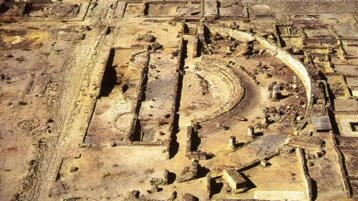
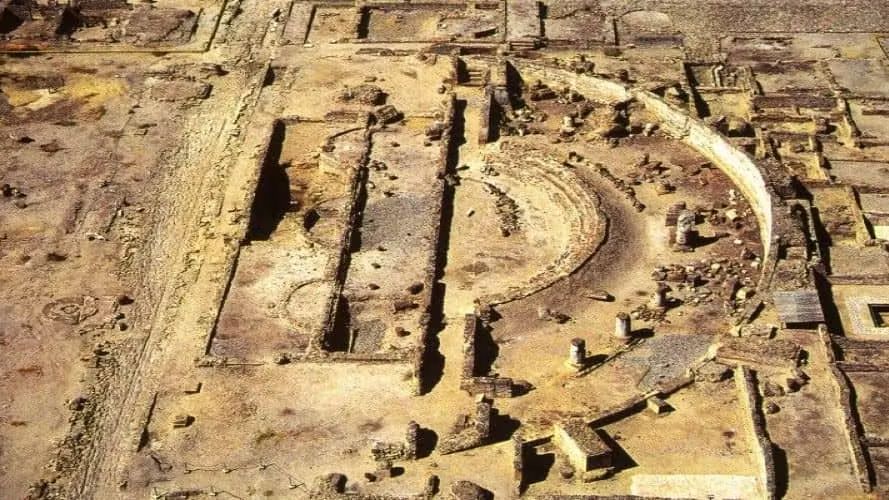
The name Italy means “inhabitants of the land of calves”. Until the beginning of the 5th century BC, Italy referred only to Calabria; later, the name was extended to the entire southern part of the country. Between the 8th and 5th centuries BC, a massive migratory wave from Greece swept through the Mediterranean. The Calabrian coasts were highly coveted by Greek colonists. They were rich in rivers, hills, natural harbors for anchoring ships, a prosperous land full of food and water. Many of the colonies that the Greeks founded in what came to be called Magna Graecia became larger and more powerful than the mother cities in Greece. Among the regions that saw the founding of extremely important centers for the Greek world is Calabria: cities such as Rhegion (Reggio Calabria), Sybaris (Sibari), Kroton (Crotone) and Lokroi Epizephyroi (Locri Epizefiri) became so flourishing and powerful that they in turn founded other settlements. Only Rome, around 280 BC, managed to deprive them of their autonomy. What remains today are extremely important archaeological parks that tell the story of that flourishing era which shaped the geography and culture of the Mediterranean.
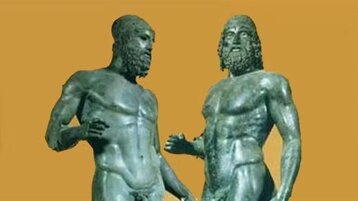
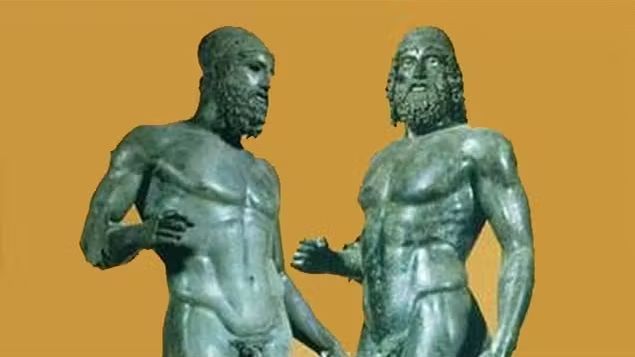
The Riace Bronzes represent one of the most extraordinary testimonies of ancient Greek art and are considered among the most important and iconic works in the entire history of art. These two life-size bronze statues, dating back to the 5th century BC, were discovered in 1972 off the Ionian coast of Calabria, near Riace Marina. The statues depict two warriors, both nude and armed with shields, helmets, and spears, and are remarkable for their artistic mastery and the realism of their details. In addition to their extraordinary aesthetic beauty, the Riace Bronzes are also the subject of study for art history and archaeology scholars, offering valuable information about the artistic techniques and cultural traditions of ancient Greece. Currently, the two statues are on display at the National Museum of Magna Graecia in Reggio Calabria, where they attract visitors from all over the world eager to admire this extraordinary work of art.
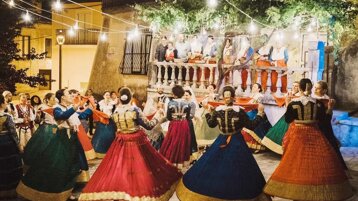
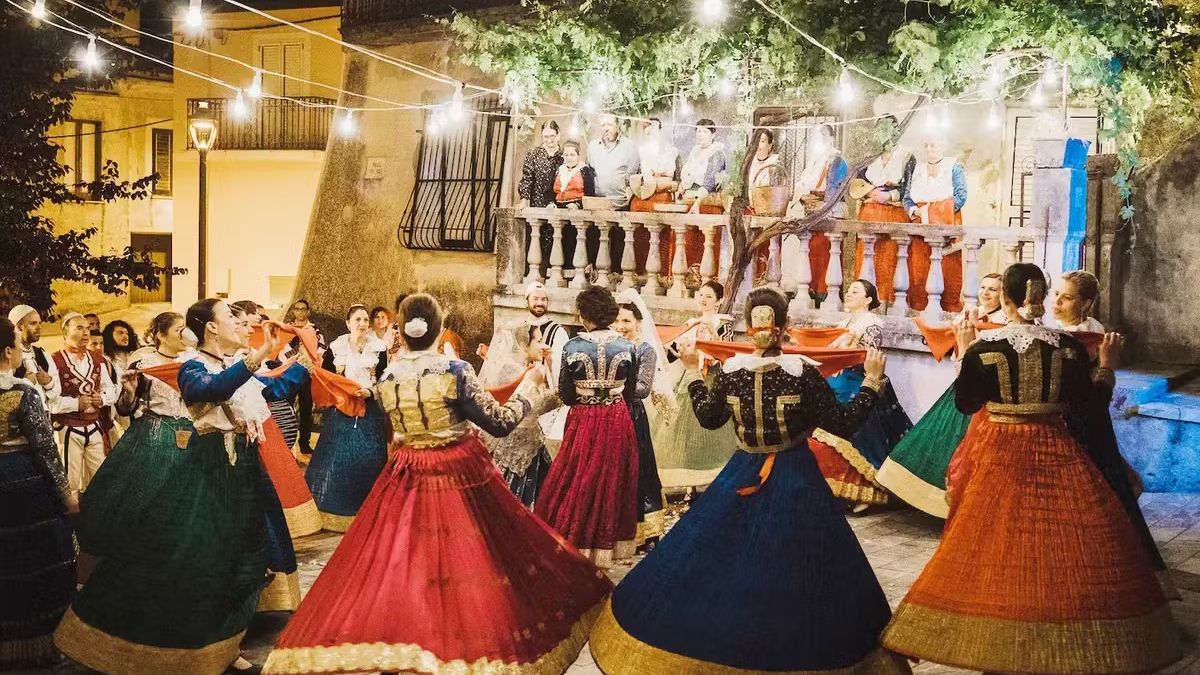
The popular festivals of Calabria represent a moment of joy, sharing, and tradition for the local community and are a unique opportunity for visitors to immerse themselves in the authentic atmosphere of the region. Among the most renowned festivals is the Festa di San Rocco in Gerocarne, a religious event that celebrates the patron saint of the sick and involves processions, sacred ceremonies, and popular festivities. Other significant religious festivals include the Festa di San Francesco di Paola in Paola and the Festa di Santa Domenica in Scorrano, both characterized by solemn processions and centuries-old traditions. As for festivals linked to popular culture, the Carnival of Scilla stands out, known for its spectacular floats and traditional masks, which attract thousands of visitors every year. In addition, Calabria is famous for its food and wine festivals, such as the Sagra del Peperoncino in Diamante and the Sagra della 'nduja in Spilinga, where you can taste typical Calabrian dishes and discover the authentic flavors of the region. These festivals are a unique opportunity to immerse yourself in the local culture, enjoy traditional music, savor culinary specialties, and experience unforgettable moments.
Request information
© Fiocco Tourist